
Chinese etiquette culture


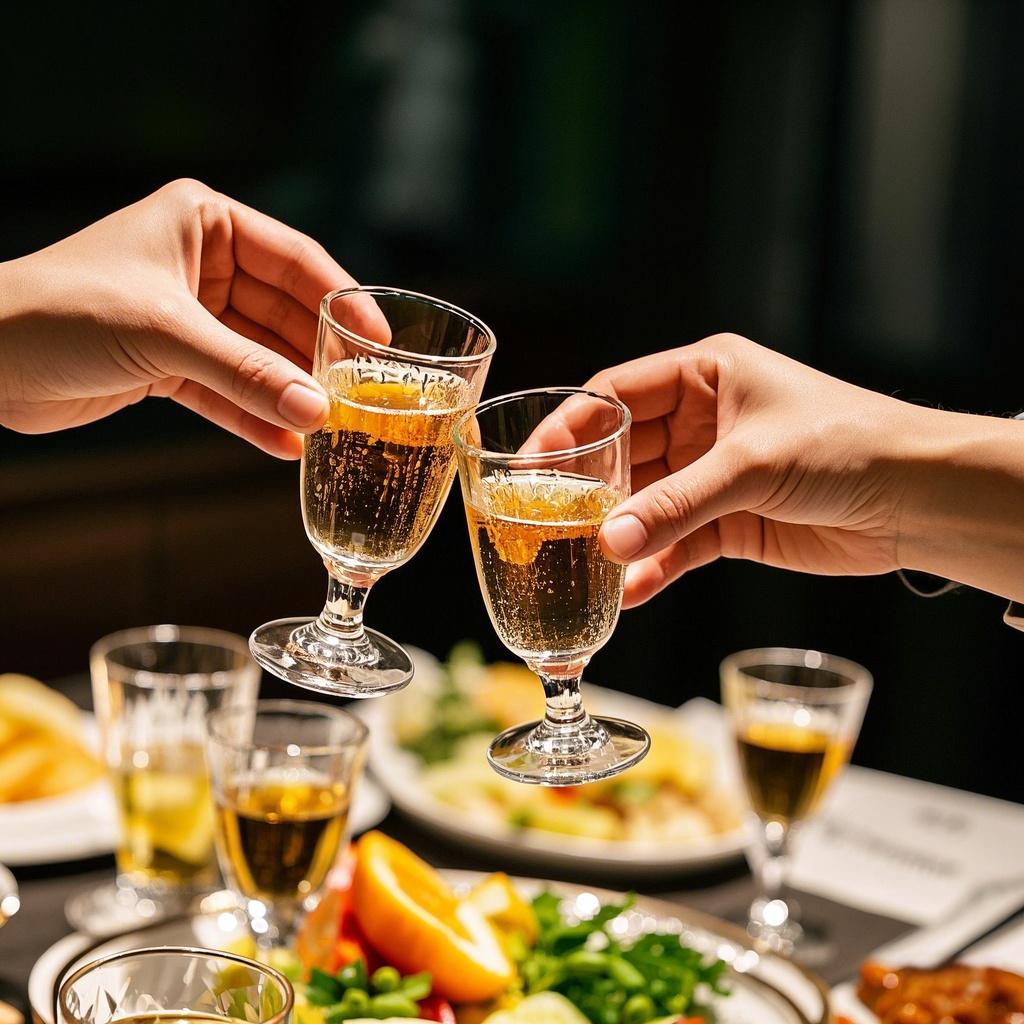
1. Dining Etiquette
- Seating Arrangement: The main guest and elders usually sit at the head of the table, and guests are expected to show humility. The seating arrangement reflects respect for elders and guests.
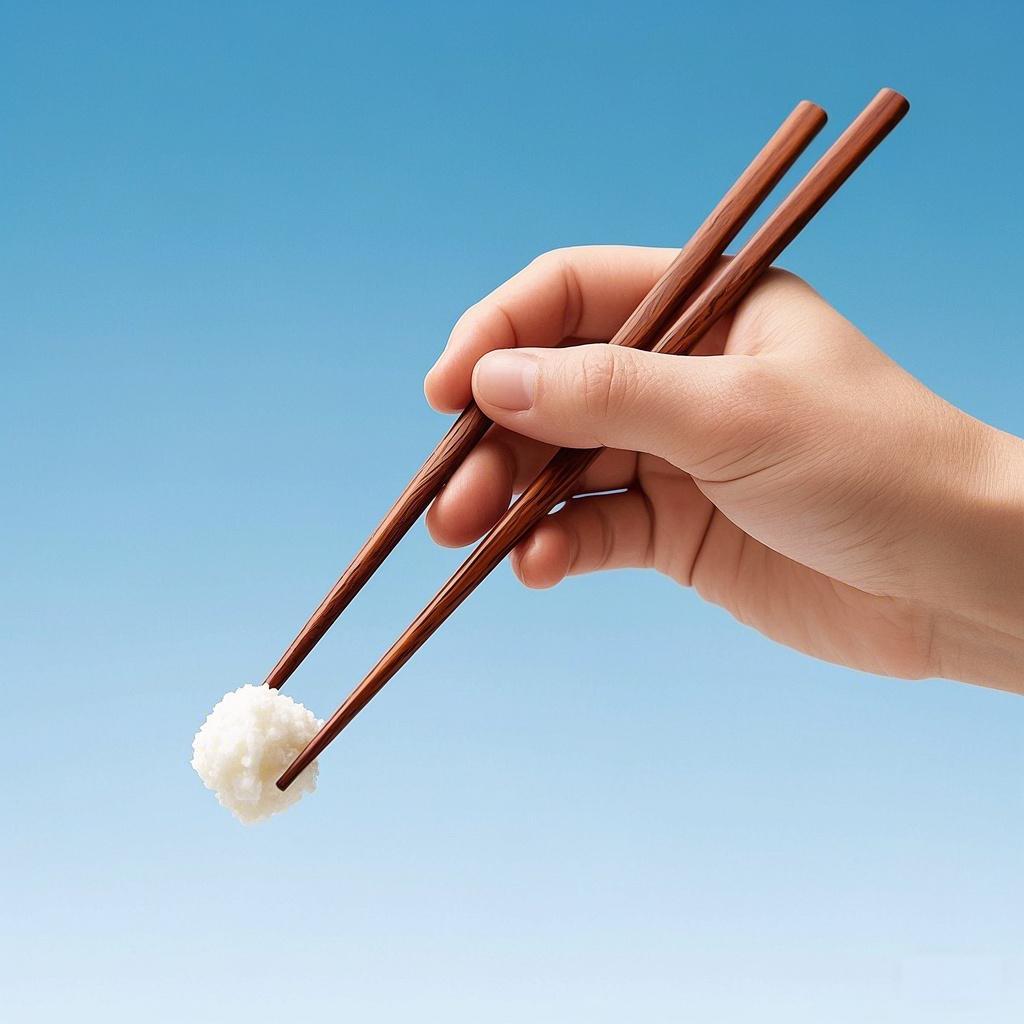
- Dining Habits: Use chopsticks, but avoid sticking them upright in the rice bowl, as it's considered inauspicious. Dining requires politeness and moderation.
- Dish Offering Culture: The host often serves dishes to guests to show hospitality. Guests should accept moderately to show politeness.
2. Greetings and Addressing
- Greeting Methods: Traditionally, people would bow, but now handshakes or nods are more common. Pay attention to tone and attitude when greeting.
- Addressing Others: Typically use "Mr.", "Ms.", or titles, avoiding first names, especially for elders. Addressing reflects respect for others.
3. Gift-Giving Culture
- Occasions for Gifts: Such as visits, Chinese New Year, or birthdays. Gift-giving is a way to express gratitude and blessings.
- Gift Choices: Avoid giving clocks (sounds like "end" in Chinese) or scissors, which are considered unlucky. Consider the recipient's preferences and cultural taboos when choosing gifts.
- Receiving Gifts: Usually accepted with both hands, and a polite refusal is customary to show modesty. Express gratitude when receiving gifts.

Planning the rest of your trip?
Compare hotels and flights on Trip.com.